
Feeling Spaced Out and Slowed Down After Heart Surgery? It Might Not Be the Recovery—It Might Be the Meds
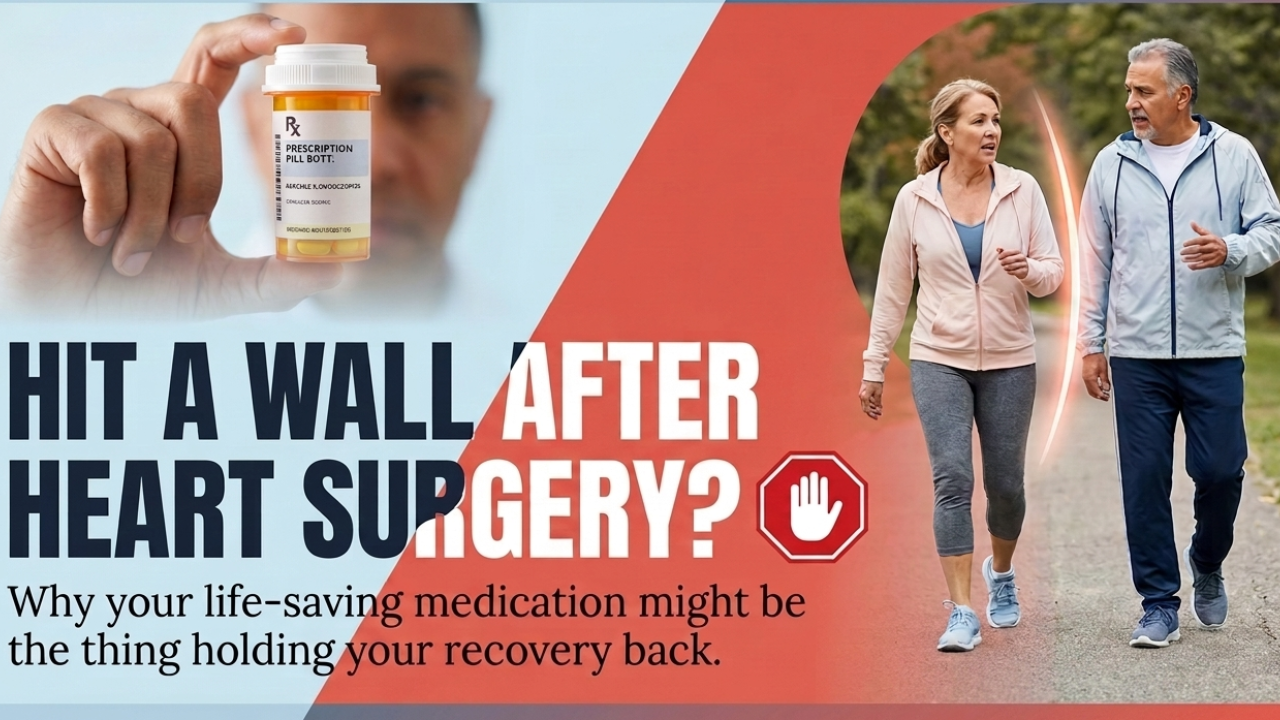
Feeling Held Back After Heart Surgery? Why Your Beta-Blocker Might Be the Problem
Recovering from a Coronary Artery Bypass Graft (CABG) is a massive milestone. In the months following surgery, your primary goals are clear: heal, rebuild your strength, and get back to living your life. But what happens when you do everything right, yet still feel like you are running through wet cement? If you are battling persistent post CABG fatigue, you are not alone. It is incredibly common to hit a wall where your heart medication—which saved your life early on—becomes the main obstacle keeping you from a full recovery.
If you have been on a stable dose of a beta-blocker since your surgery but find yourself struggling to exercise, keep up with family, or stay sharp at work, you might be dealing with metoprolol fatigue after heart surgery. Many patients find that the medication limits their physical stamina, a frustrating phenomenon known as beta blocker exercise intolerance. On top of the physical limitations, you might even find yourself feeling strangely spaced out on metoprolol or dealing with bizarre symptoms like ear fullness from beta blockers.
Here is a look at why this happens and how to discuss stopping metoprolol after bypass surgery safely with your doctor to get your energy back.
The Beta-Blocker Cap: Why You Feel "Held Back"
Beta-blockers like metoprolol work by blocking the effects of adrenaline. This lowers your blood pressure and puts a hard "ceiling" on how fast your heart can beat. In the immediate aftermath of a bypass surgery, this protection is vital because it keeps your healing heart from being overworked.
However, as your heart remodels and gets stronger, that protective ceiling can start to feel like a cage.
When you try to exercise, play with your kids, or handle a stressful day at work, your muscles demands more oxygen-rich blood. Normally, your heart would beat faster to meet this demand. Because metoprolol limits your heart rate, your body cannot deliver that extra oxygen. The result is beta-blocker-induced exercise intolerance, severe fatigue, and a feeling that your body is physically locked in place.
When the Medicine Brain-Drains You
The physical limitations are only half the battle. Many patients notice strange neurological symptoms, such as:
- A "spaced-out" feeling or a sense of detachment (dissociation)
- Spatial distortions or mild visual changes
- Ear fullness or a constant sensation of pressure in the ears.
This happens because metoprolol is lipophilic (fat-soluble). This chemical trait allows it to easily cross the blood-brain barrier. Once inside the central nervous system, it can alter blood flow dynamics and trigger central fatigue, brain fog, and even fluid/pressure shifts in your inner ear.
Transitioning to the Next Phase of Recovery
If you are years or even just many months past your CABG and your heart health has stabilized, it may be time to re-evaluate your prescription. Your medication needs right after surgery are rarely the same as your needs once you are healthy.
When you speak to your cardiologist, here are three options to discuss:
- A Dosage Reduction: If your heart has strengthened significantly, a high dose (like 50 mg) might be doing its job too well. Dropping to a lower dose under medical supervision can often lift the physical fog without sacrificing heart safety.
- Switching to a Brain-Friendly Alternative: Your doctor might switch you to a hydrophilic (water-soluble) beta-blocker like atenolol, which cannot easily cross into the brain, reducing brain fog and dissociation. Alternatively, vasodilating beta-blockers like nebivolol relax blood vessels rather than just slowing the pump, making exercise much easier.
- Tapering Off Entirely: Depending on your overall heart health, you might not need beta-blockers forever. If your heart's pumping strength (ejection fraction) is completely normal and you do not suffer from arrhythmias like atrial fibrillation, current medical guidelines often allow doctors to safely phase out beta-blockers entirely after a few years.
⚠️ A Critical Warning: The FDA Black Box Safety Label
If you suspect your medication is holding you back, never change your dose or stop taking it on your own.
The U.S. Food and Drug Administration (FDA) has issued its most severe warning—a Boxed Warning (Black Box Warning)—specifically against the abrupt discontinuation of metoprolol.
Because your body adapts to the medication, stopping it suddenly can trigger a dangerous "rebound effect." Without a gradual taper, your heart can become hypersensitive to adrenaline, leading to sudden, severe spikes in blood pressure, worsening chest pain (angina), dangerous heart rhythms, or even a heart attack—especially in patients with pre-existing coronary artery disease.
Always work with your doctor. They will design a strict, step-by-step tapering schedule to step you down safely while monitoring your heart rate and blood pressure.
You worked hard to survive heart surgery—you deserve to fully live the life that followed it. If your medication is keeping you on the sidelines, schedule a conversation with your cardiologist to adjust your care plan for the active life you want to lead.
❓ Frequently Asked Questions
Q: Why does metoprolol make me feel fatigued and spaced out?
A: Metoprolol is a lipophilic (fat-soluble) medication, meaning it easily crosses the blood-brain barrier. Once in the central nervous system, it can alter local blood flow dynamics and trigger central nervous system side effects like severe brain fog, a feeling of detachment (dissociation), and physical tiredness.
Q: Can beta-blockers cause a feeling of fullness or pressure in the ears?
A: Yes. Beta-blockers like metoprolol can alter systemic blood pressure and affect fluid perfusion to the inner ear. This shift in local pressure or fluid balance can lead to a noticeable sensation of ear fullness, aural pressure, or ringing (tinnitus).
Q: What is beta-blocker exercise intolerance?
A: Exercise intolerance occurs because beta-blockers limit the effects of adrenaline, placing a hard "ceiling" on how high your heart rate can go. When you exert yourself, your muscles demand more oxygen-rich blood, but your heart is prevented from pumping faster to meet that demand, making you feel instantly exhausted or weak.
Q: Is it safe to stop taking metoprolol after heart surgery?
A: No, it is never safe to stop metoprolol suddenly. Metoprolol carries a strict FDA Boxed (Black Box) Warning because abrupt discontinuation can cause a severe cardiovascular rebound effect. This can trigger dangerous spikes in blood pressure, severe chest pain, or even a heart attack. Any medication changes must be tapered slowly under a doctor's supervision.
Manage your Injury Recovery safely.
Learn how to balance nutrition, muscle, and cardio training after an Injury or Heart Event without causing dangerous tissue acidosis.
Download The Safe Return Guide Below
Connect with The Peak Community
sign up for your free copy of
The Peak Report
Get the latest actionable tips & insights
Don't worry, your information will not be shared.
We hate SPAM. We will never sell your information, for any reason.